Position Changes at Work: Use Existing Cues, Not Endless Alerts
A position reminder is useful only if you can follow it. Link changes to existing tasks rather than filling the day with extra alerts.
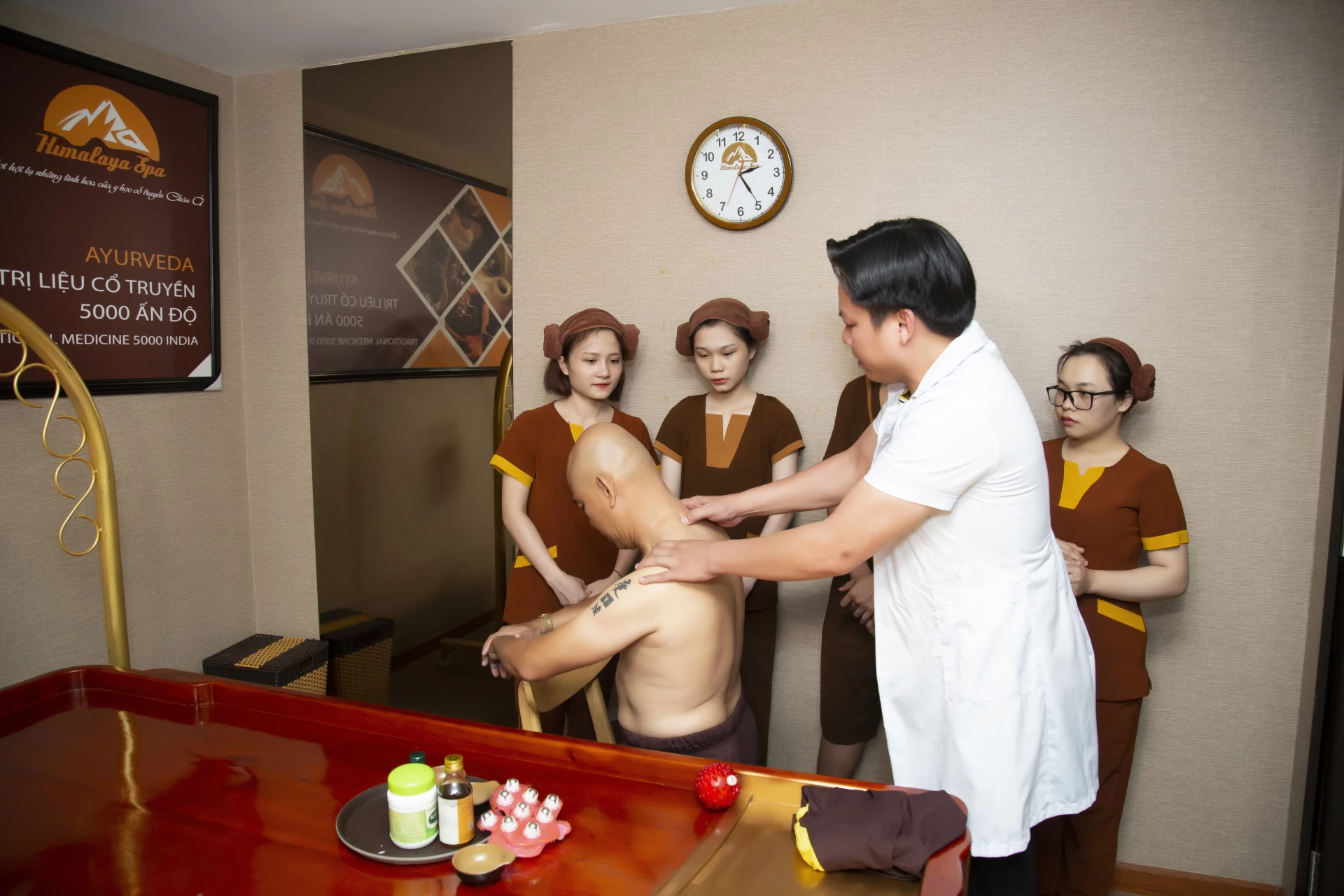
A position reminder is useful only if you can follow it. Link changes to existing tasks rather than filling the day with extra alerts.
What to consider first
Jobs have different rhythms: calls, guests or documents may provide useful cues. Choose a suitable signal and a safe, small adjustment. Every change need not involve standing if the setting does not allow it; reviewing support or device position may be more practical. Do not stay in a painful position while waiting for an alert.
Practical steps
- Choose a naturally recurring work cue.
- Prepare one safe and easy position adjustment.
- Review it after a day and change the cue if you keep ignoring it.
One action to take today
Use one cue today instead of many alarms. Keep the manageable changes rather than chasing an ideal count.
Boundaries and safety
Do not force neck manipulation, strong stretches or painful movements. Pain after injury, arm numbness or weakness, and persistent or worsening symptoms need medical assessment. Massage does not replace treatment.
Talk with Himalaya
If a spa visit fits your plans, explain your preferences, available time and boundaries during consultation. Explore Himalaya services and ask the team about current options before deciding. You do not need to commit to a long session or a package on your first visit.
This content is for general reference only and does not replace medical diagnosis or treatment.
 01
 02
