Shoulder Check-Ins at Work: Notice Before You Stretch
A quick check of your shoulders and work pattern may be more useful than an automatic stretch. Start small instead of forcing movement.
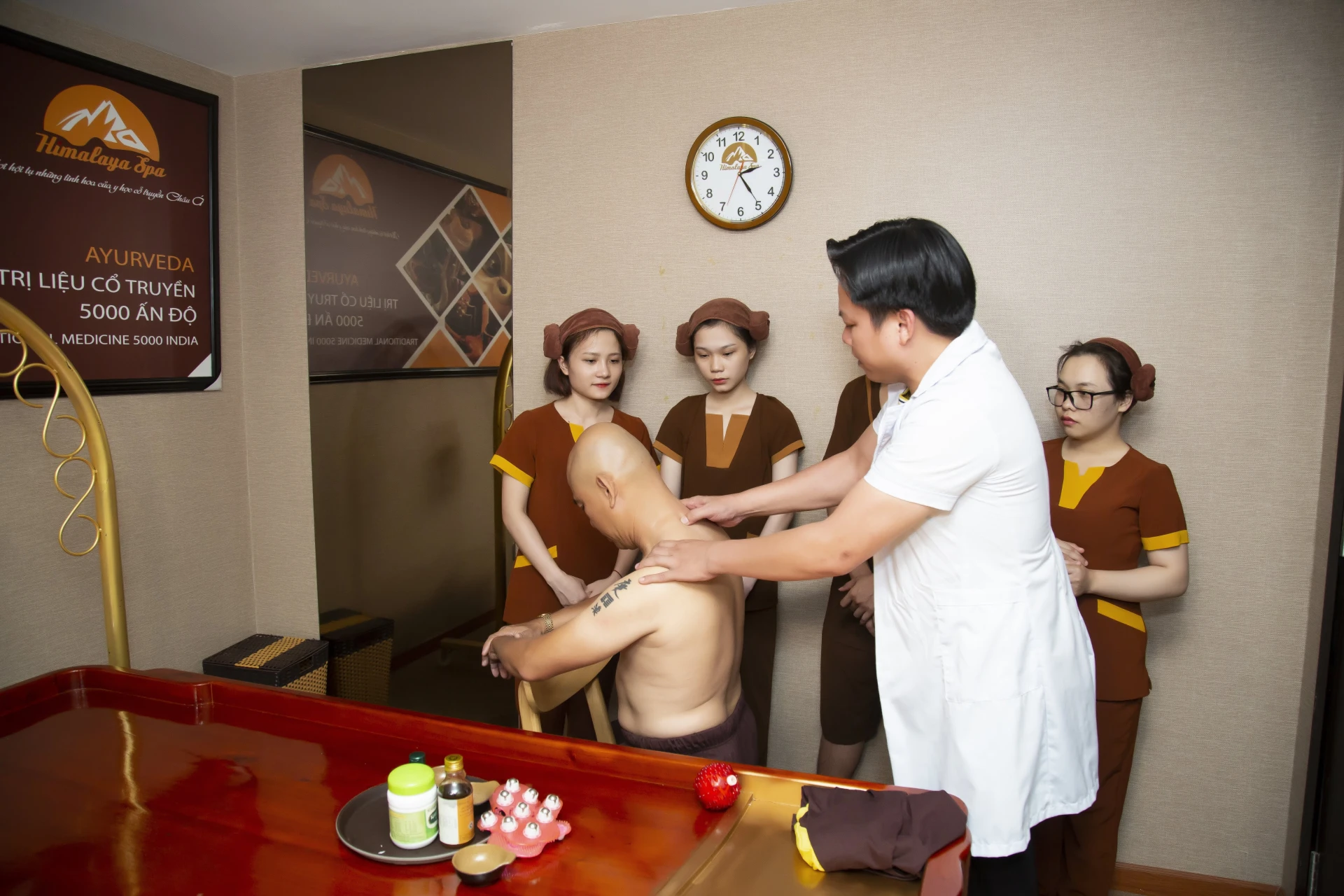
A quick check of your shoulders and work pattern may be more useful than an automatic stretch. Start small instead of forcing movement.
What to consider first
Concentration can involve raised shoulders, a phone held awkwardly or unsupported arms. Pause to notice, then adjust the task or setup. You do not need a forceful stretch or a clicking sound. Move only within comfort and stop for pain. These check-ins should support your work, not become another performance test.
Practical steps
- Notice lifted shoulders and whether your arms are supported.
- Put the phone down or use a suitable listening setup instead of holding it with your neck.
- Change position gently rather than maintaining one fixed pose.
One action to take today
Use a finished email as a cue to check your shoulders today. Do not increase movement force to overcome pain or numbness.
Boundaries and safety
Do not force neck manipulation, strong stretches or painful movements. Pain after injury, arm numbness or weakness, and persistent or worsening symptoms need medical assessment. Massage does not replace treatment.
Talk with Himalaya
If a spa visit fits your plans, explain your preferences, available time and boundaries during consultation. Explore Himalaya services and ask the team about current options before deciding. You do not need to commit to a long session or a package on your first visit.
This content is for general reference only and does not replace medical diagnosis or treatment.
 01
01
 02
02
 03
03
