After a Long Journey: Give Your Neck a Gentle Change of Pace
After prolonged travel, you may feel tempted to stretch forcefully. Start with gentle position changes rather than trying to compensate with intense movements.
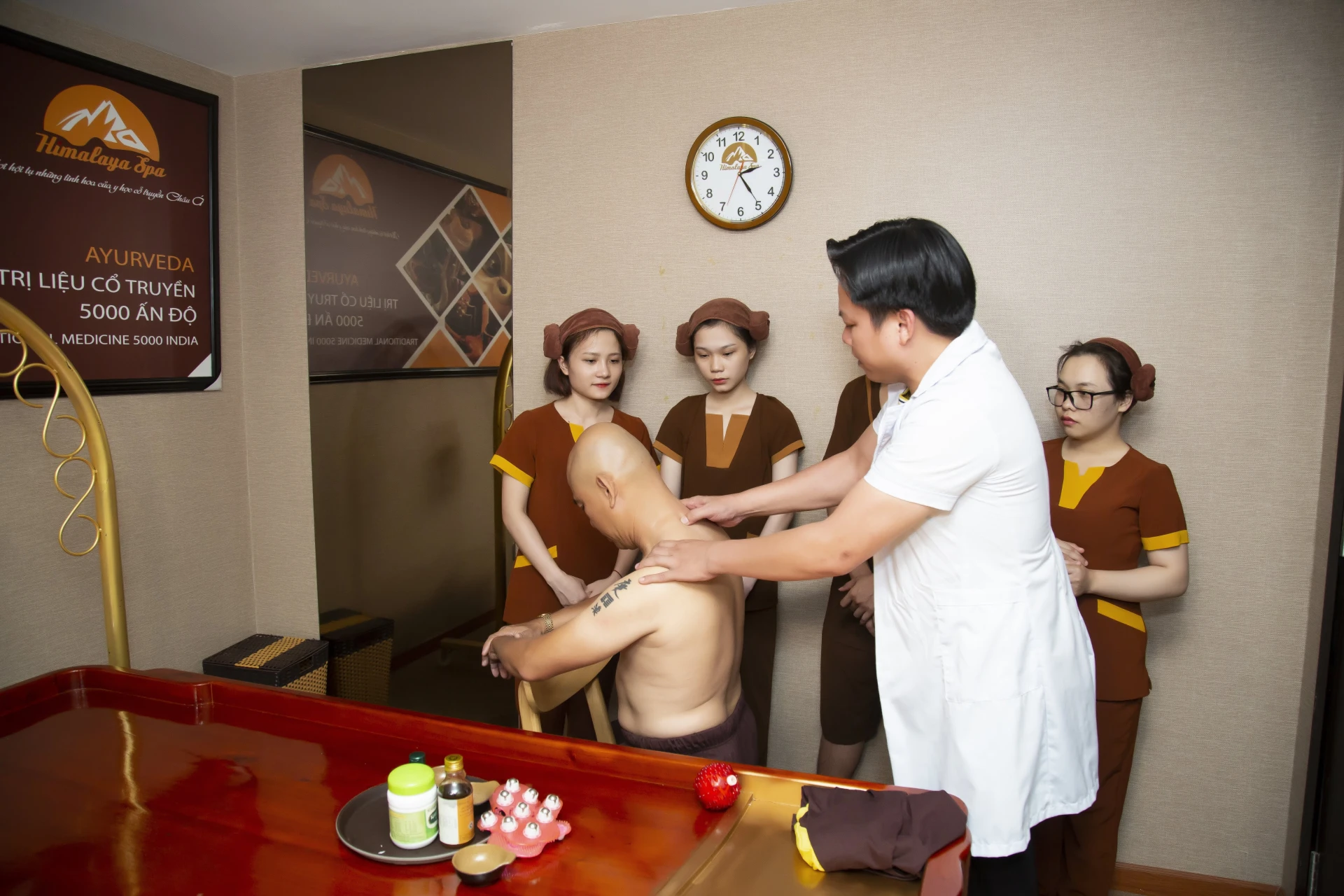
After prolonged travel, you may feel tempted to stretch forcefully. Start with gentle position changes rather than trying to compensate with intense movements.
What to consider first
Luggage, limited space and sleeping in a seat create different demands from a regular workday. On arrival, settle in and move gently if appropriate. Notice whether a position change helps. Avoid self-manipulating your neck or requesting intense pressure simply because it feels stiff. An injury or unusual symptoms require a separate assessment.
Practical steps
- Put luggage down and give your arms a break from carrying.
- Move within a comfortable range without forcing the neck.
- If booking massage, mention the journey and any new symptoms.
One action to take today
Leave a buffer after travelling before adding another activity. A forceful session is not needed to make up for hours in a seat.
Boundaries and safety
Do not force neck manipulation, strong stretches or painful movements. Pain after injury, arm numbness or weakness, and persistent or worsening symptoms need medical assessment. Massage does not replace treatment.
Talk with Himalaya
If a spa visit fits your plans, explain your preferences, available time and boundaries during consultation. Explore Himalaya services and ask the team about current options before deciding. You do not need to commit to a long session or a package on your first visit.
This content is for general reference only and does not replace medical diagnosis or treatment.
 01
01
 03
03
