Back Tension After Sitting: 6 Gentle Ways to Unwind
Long periods of sitting can leave your back feeling tense and heavy. Explore six practical ways to pause, move gently and care for your back more mindfully.
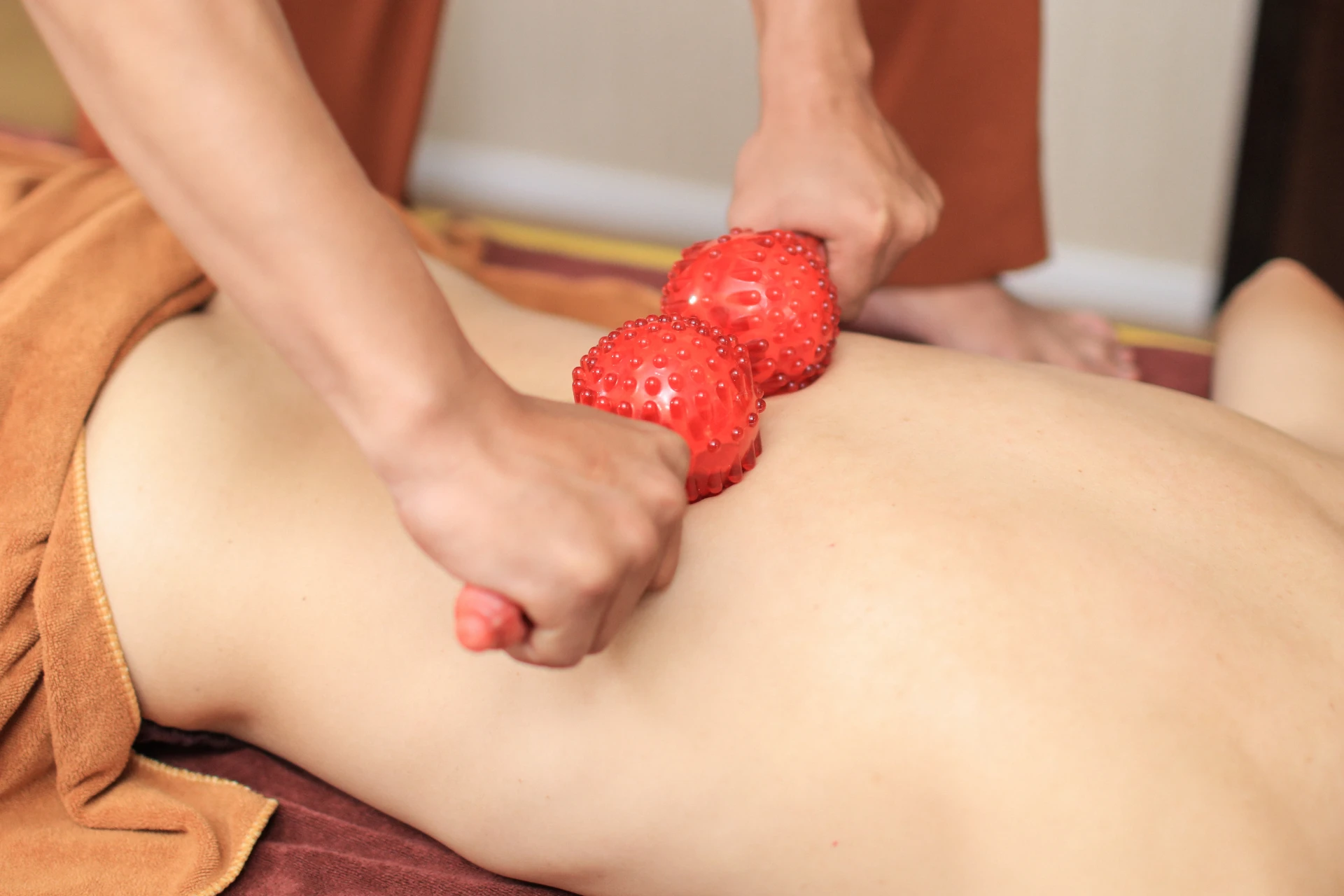
Why can your back feel tense after prolonged sitting?
Computer-based work often keeps the body in one position for extended periods, with few changes in support and too little time away from the desk. The back may begin to feel tense, heavy or generally uncomfortable. An unsuitable chair, a low screen, mental stress and limited movement can also contribute to the experience.
The goal is not to hold one “perfect” posture all day. It is more useful to change positions regularly, notice how your body feels and create reasonable pauses throughout the day.
6 gentle ways to help your back unwind
1. Leave your chair between work blocks
After roughly 30–60 minutes, step away for a few minutes to walk, drink water or change your visual focus. A simple reminder on your phone can make this easier to practise consistently.
2. Adjust your desk to fit your body
Give your feet stable support, keep your elbows comfortable and bring the screen closer to eye level. If you repeatedly lean forward or lower your head, adjust the distance before returning to work.
3. Choose gentle movement without forcing it
Slow shoulder rolls, an easy turn through the upper body or a short walk may feel refreshing after sitting still. Stop if a movement increases pain, numbness or discomfort.
4. Release unnecessary tension with slower breathing
Stress can make the body brace without us noticing. Spend one or two minutes breathing in comfortably, breathing out more slowly and allowing the shoulders to soften as you observe where you are holding tension.
5. Reshape the rhythm of your workday
Instead of remaining seated until every task is complete, divide work into shorter blocks. Alternate focused desk tasks with activities that require standing or walking to reduce long stretches of inactivity.
6. Consider a suitable relaxation session
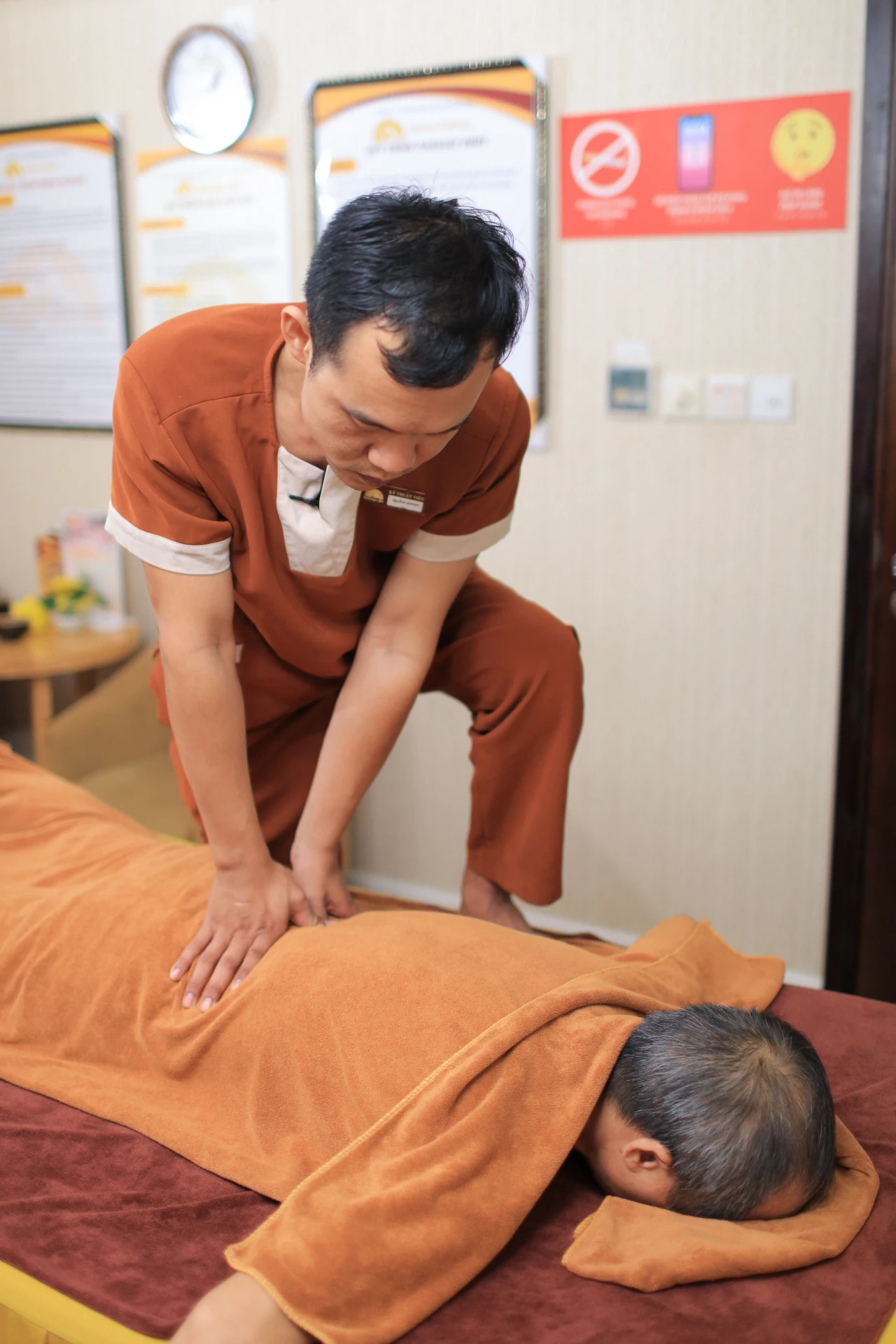
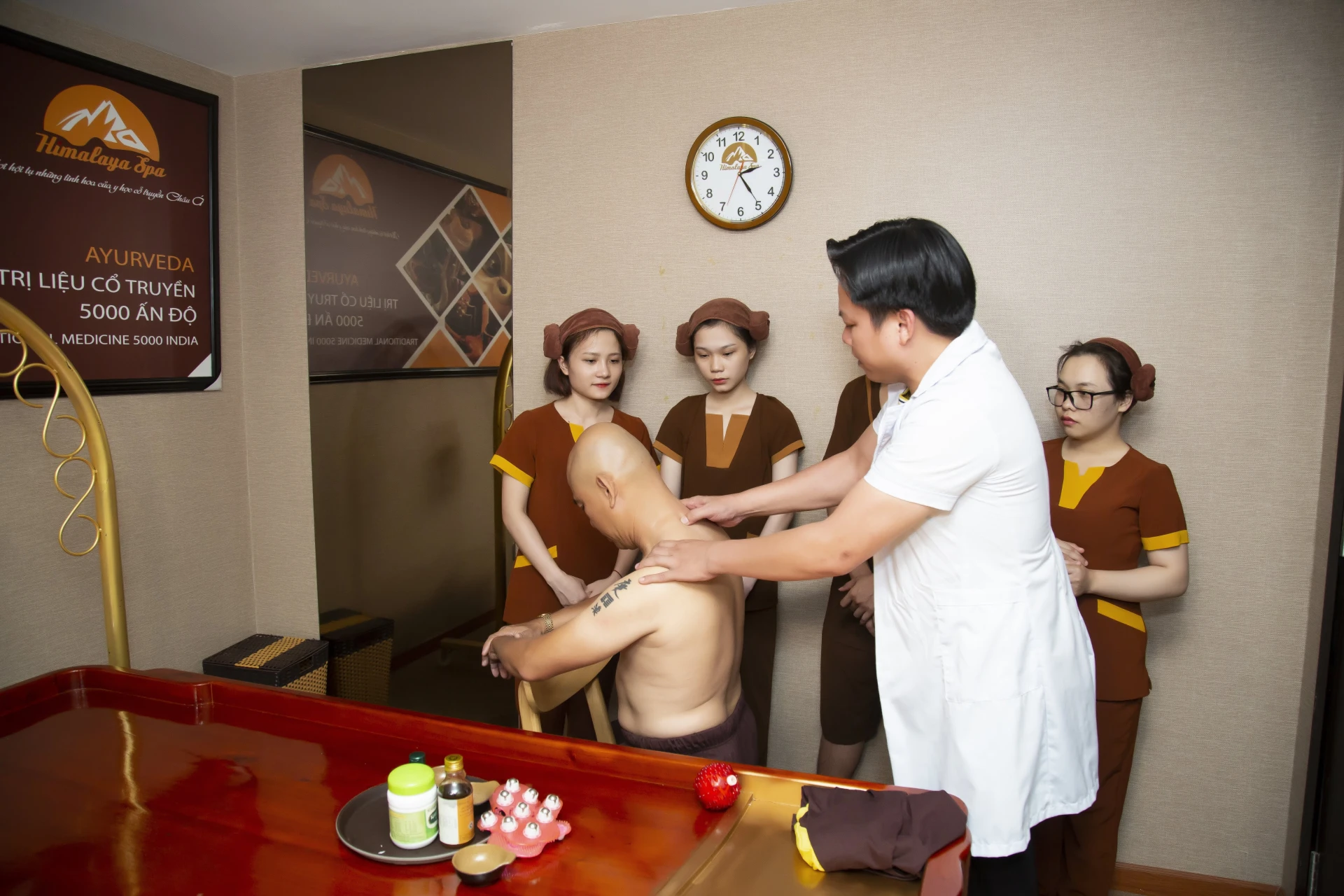
A guided back care session at a spa can provide a deliberate pause after a demanding day. At Himalaya Health Spa, the therapist discusses your needs and sensitivities beforehand, then adapts the session in response to your comfort. The experience is intended for relaxation and personal care; it is not a substitute for medical assessment or treatment.
What should you share before a spa session?
Let the therapist know if you are pregnant, recently injured or recovering from surgery, have an underlying health condition, have inflamed skin or are currently under medical care. Complete information helps the team decide whether to adapt or postpone the session.
When should you seek professional care?
Arrange a medical assessment for severe or persistent pain, pain travelling down a leg, numbness or weakness, fever, a recent injury or unusual changes in bladder or bowel control. A relaxation service is not a replacement for medical care when these signs are present.
A small change for a more comfortable workday
Start with one manageable step: set a movement reminder, adjust your screen and take a few minutes to walk. If you would like a more intentional pause, the Himalaya team can discuss which relaxation experience may suit your current needs.
This content is for general reference only and does not replace medical diagnosis or treatment.
 01
01
 02
02
 03
03
