Restorative Massage: Relaxation, Comfort and Everyday Care
Discover restorative massage experiences for the neck, shoulders, lower back and scalp, alongside everyday habits and guidance for choosing suitable care.
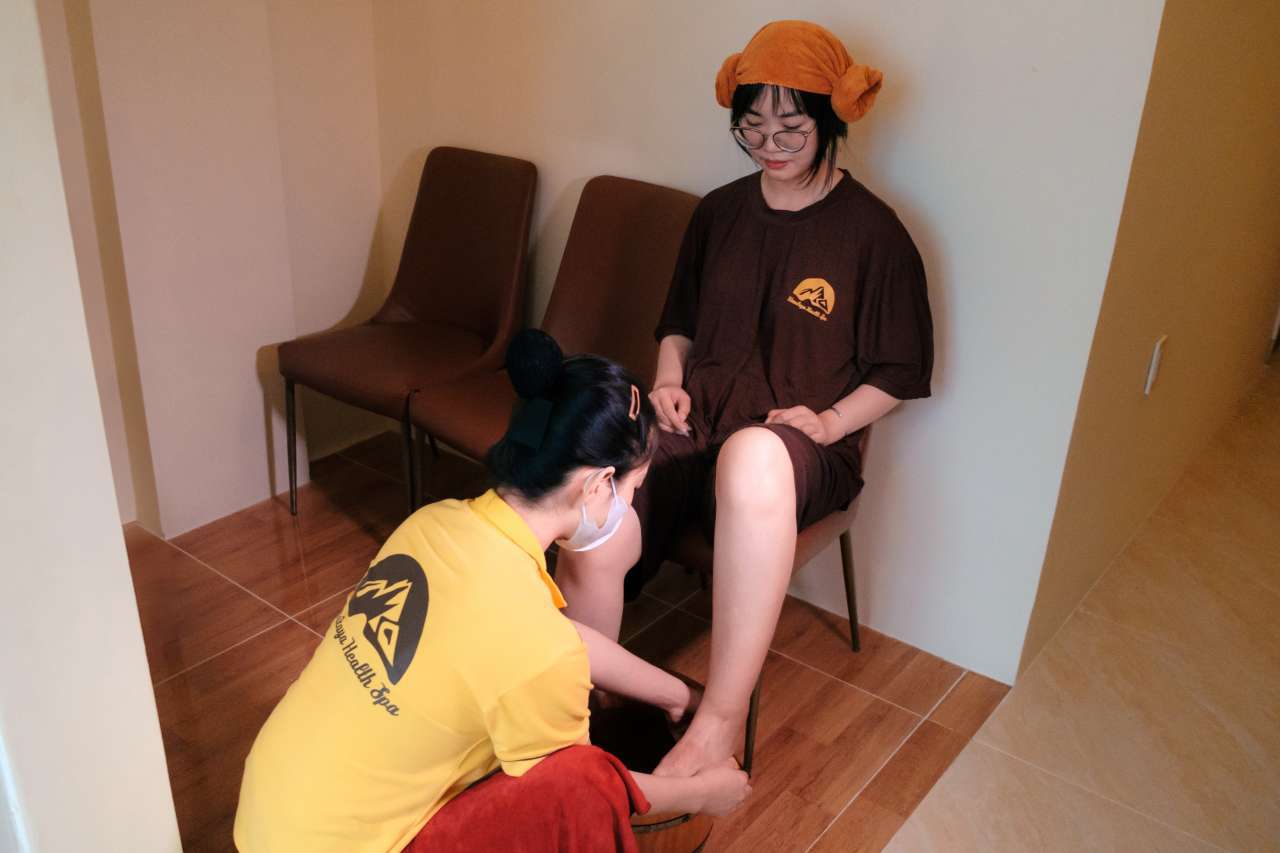
A demanding day can leave little space to notice how your body feels. Tight shoulders, a tired back or the need for a quieter moment may be signs that it is time to pause and review your routine.
At Himalaya, restorative massage describes a wellness experience centred on relaxation, comfort and attentive care. It does not refer to a medical rehabilitation programme.
1. What does restorative massage involve?
The Vietnamese article describes a combination of massage, pressure techniques, warming steps and herbal preparations, drawing inspiration from traditional approaches.
The experience may focus on a particular area or provide a broader opportunity to unwind. Before booking, discuss the techniques, products and intensity involved so that the session can be considered in relation to your needs.
2. Three areas of focus
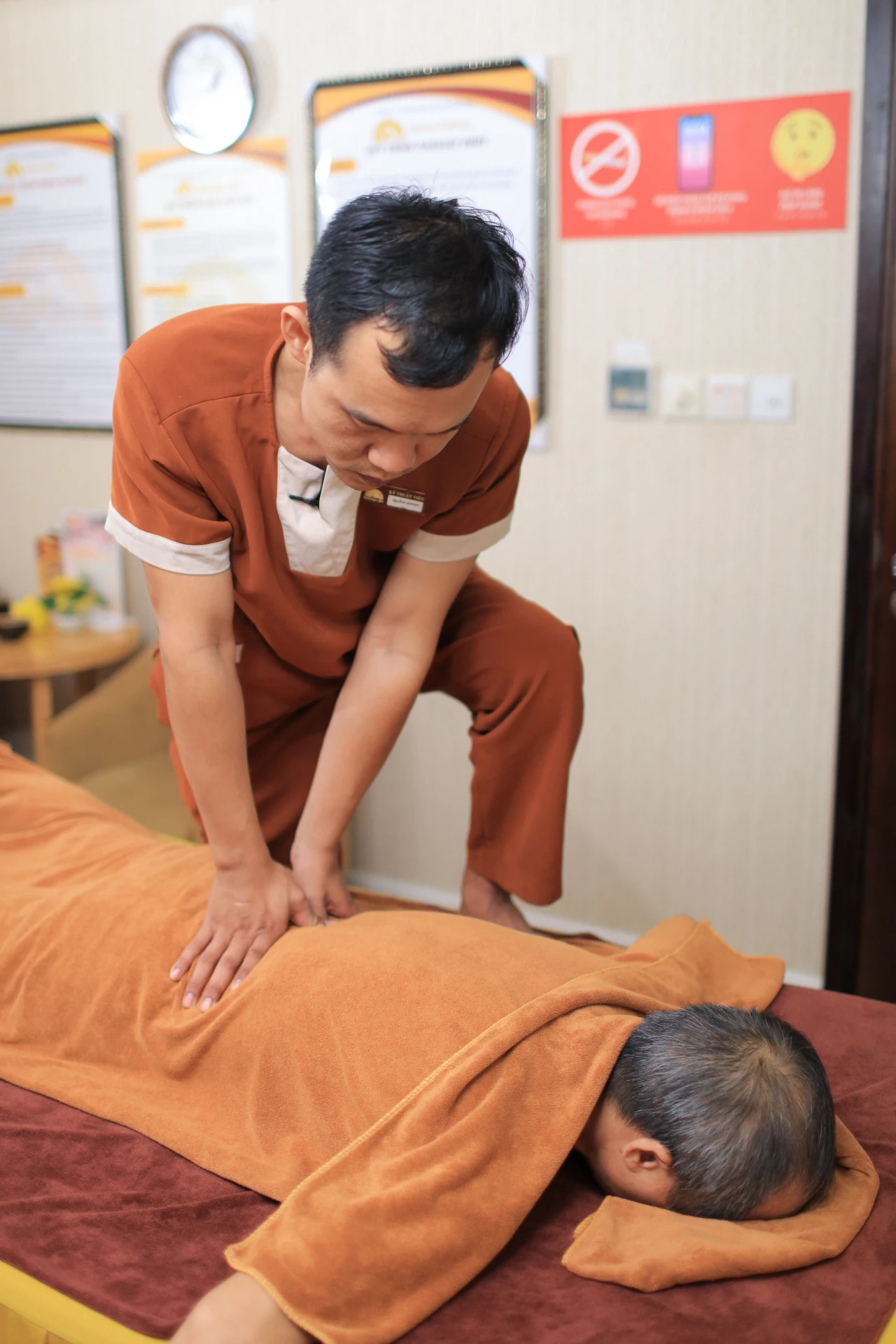
Neck and shoulders
Focused care gives attention to an area that can feel tense after desk work or driving.
Rather than promising a fixed result, the session should be approached as an individual experience. Communicate throughout and ask for pressure to be adjusted whenever necessary.
Lower back
Ayurveda-inspired lower-back care focuses on comfort around the back through the techniques described in the selected service.
Back pain can have many causes. A spa service should not be used to diagnose the cause or replace clinical care.
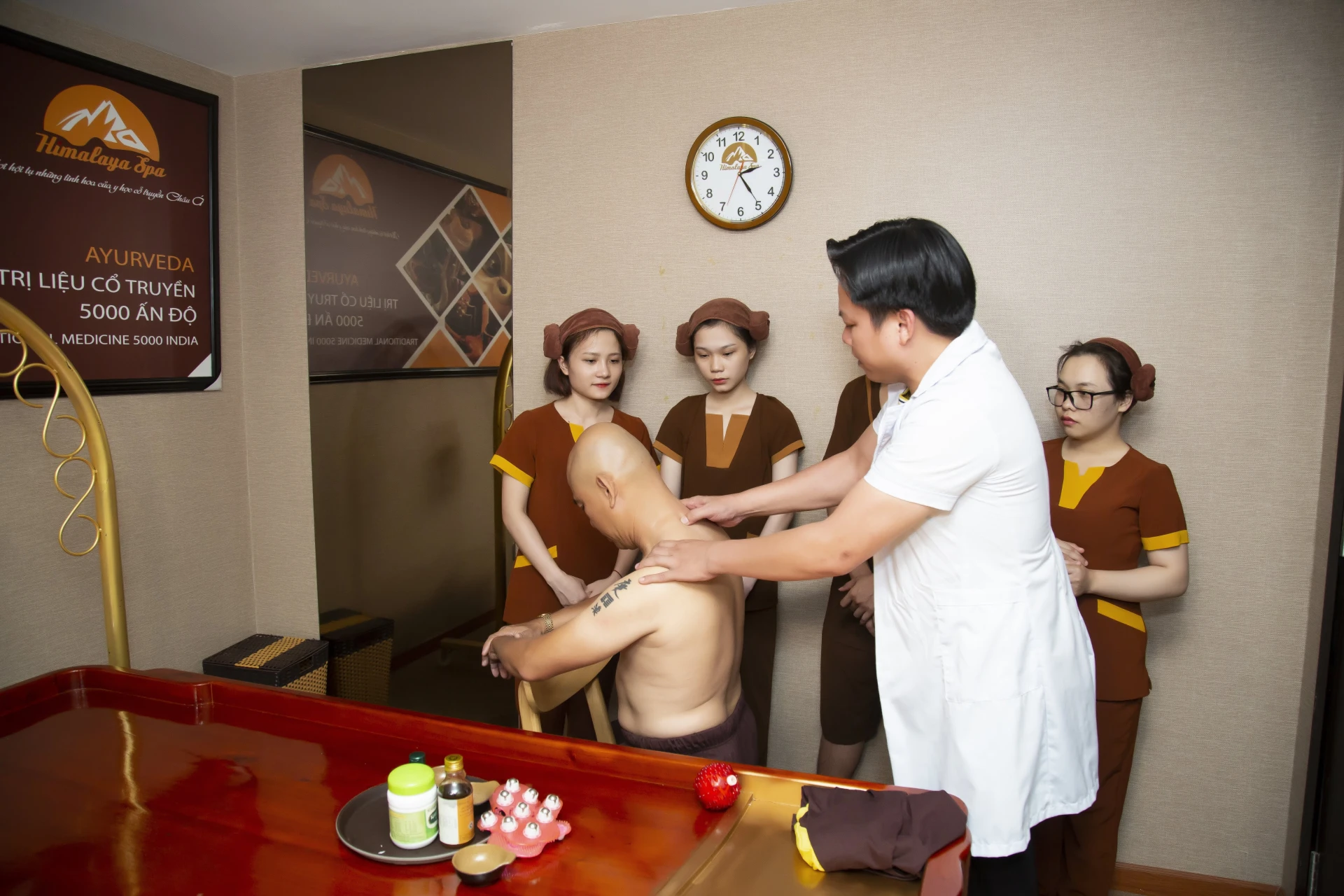
Scalp, head and shoulders
A scalp-focused experience offers time away from a busy routine, with gentle massage and attention to comfort.
The aim is a relaxing experience. Claims about improving memory, treating headaches or resolving insomnia are not included in this English proposal.
3. Warmth, herbs and additional techniques
The original article mentions herbal foot soaking, salt-stone experiences, and either instrument-assisted soft-tissue work described as Graston or a herbal application.
Ask what is included in the current service, who performs it and whether it is suitable for you. These elements should not be presented as proof of detoxification or as treatments with assured outcomes.
4. A note on the earlier VND 279,000 programme
The Vietnamese source refers to a VND 279,000 session, compared with an advertised original price of VND 850,000.
It describes a choice of one 60-minute experience:
- Focused neck and shoulder care.
- Ayurveda-inspired lower-back care.
- Ayurveda-inspired scalp and head care.
The programme also mentions herbal foot soaking and a 15-minute additional experience involving Graston or a herbal application.
Current validity has not been confirmed. These details are included as a record of the earlier programme. Please ask Himalaya about current prices, inclusions and availability.
5. Who might consider a relaxation experience?
People seeking a break from a demanding routine may wish to explore the available options. Age, health conditions, recent procedures and the nature of any discomfort can affect suitability.
Discuss relevant concerns before booking and seek medical advice where appropriate. No single technique or visit frequency is suitable for everyone.
6. Everyday care beyond the spa
A sustainable routine also leaves room for movement, rest and comfortable working habits.
Change position during prolonged desk work, take manageable breaks and choose gentle activity appropriate to your circumstances. Follow any existing professional advice rather than adopting a fixed exercise or treatment schedule from an article.
7. Begin with a conversation
Contact Himalaya to discuss your preferences and explore the services currently available. A considered recommendation should take account of your needs, comfort and expectations.
This article provides general wellness information and does not replace medical diagnosis, rehabilitation or treatment. Individual experiences vary.
 01
01
 02
02
 03
03
