Massage and Privacy: State Areas You Want Left Alone
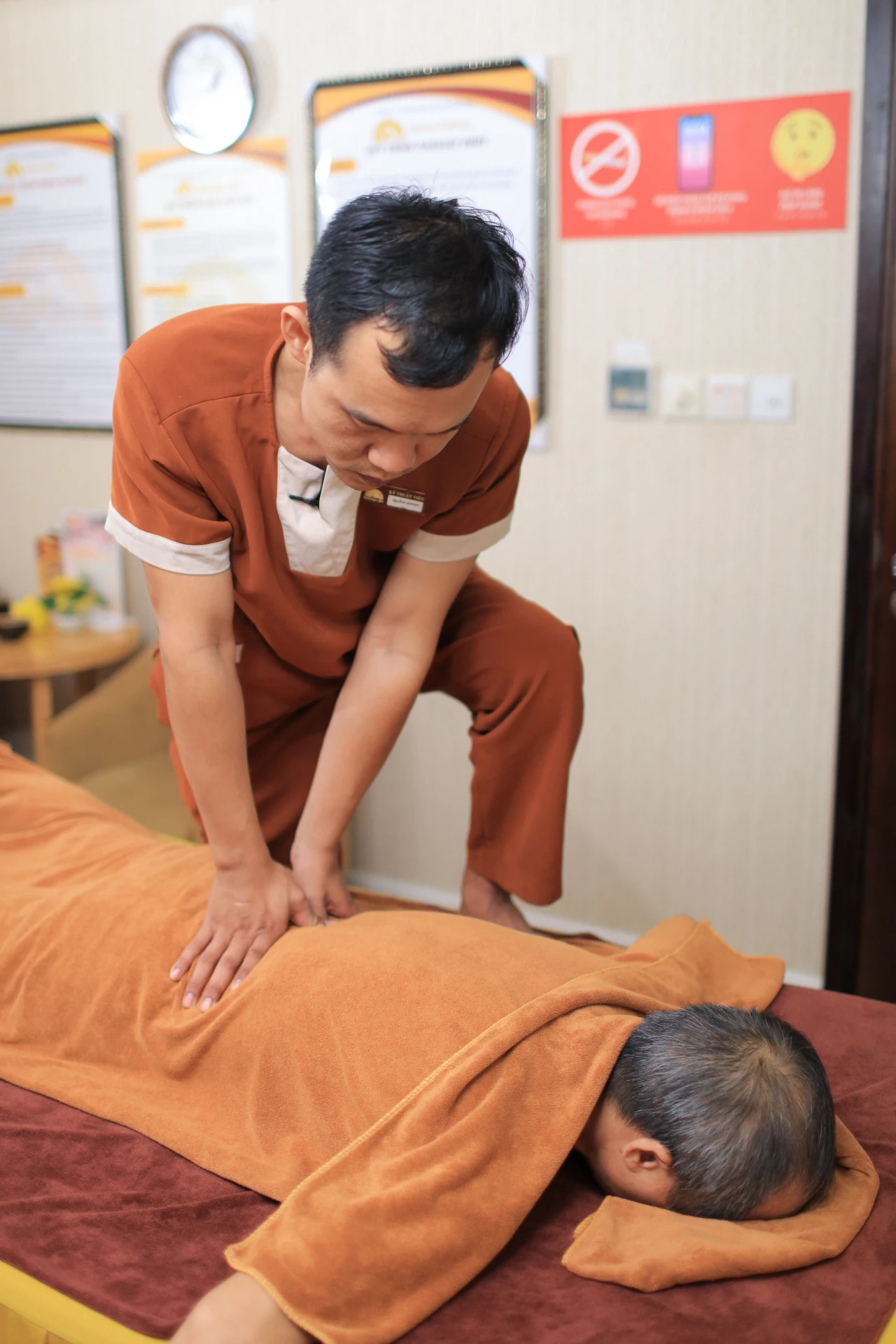
You can set boundaries during massage, including a full-body session. Explain them beforehand so the team can adjust the care appropriately.

You can set boundaries during massage, including a full-body session. Explain them beforehand so the team can adjust the care appropriately.
What to consider first
A package name is not consent to every touch or step. Ask about covering, changing arrangements, privacy and the areas involved. You can decline abdominal or other sensitive-area work without a lengthy explanation. Tell the therapist if your preference changes during the session; consent continues throughout the experience.
Practical steps
- State areas to avoid during consultation.
- Ask about covering and request adjustments if you are not comfortable.
- Use a direct phrase such as please stop or skip this step when needed.
One action to take today
Prepare one clear sentence about your boundaries before your next visit. A suitable experience should respect that choice.
Boundaries and safety
Mention pregnancy, medical conditions, medicines, recent injuries and damaged skin before treatment. Ask a clinician if suitability is unclear. You can decline a step or stop a session at any time.
Talk with Himalaya
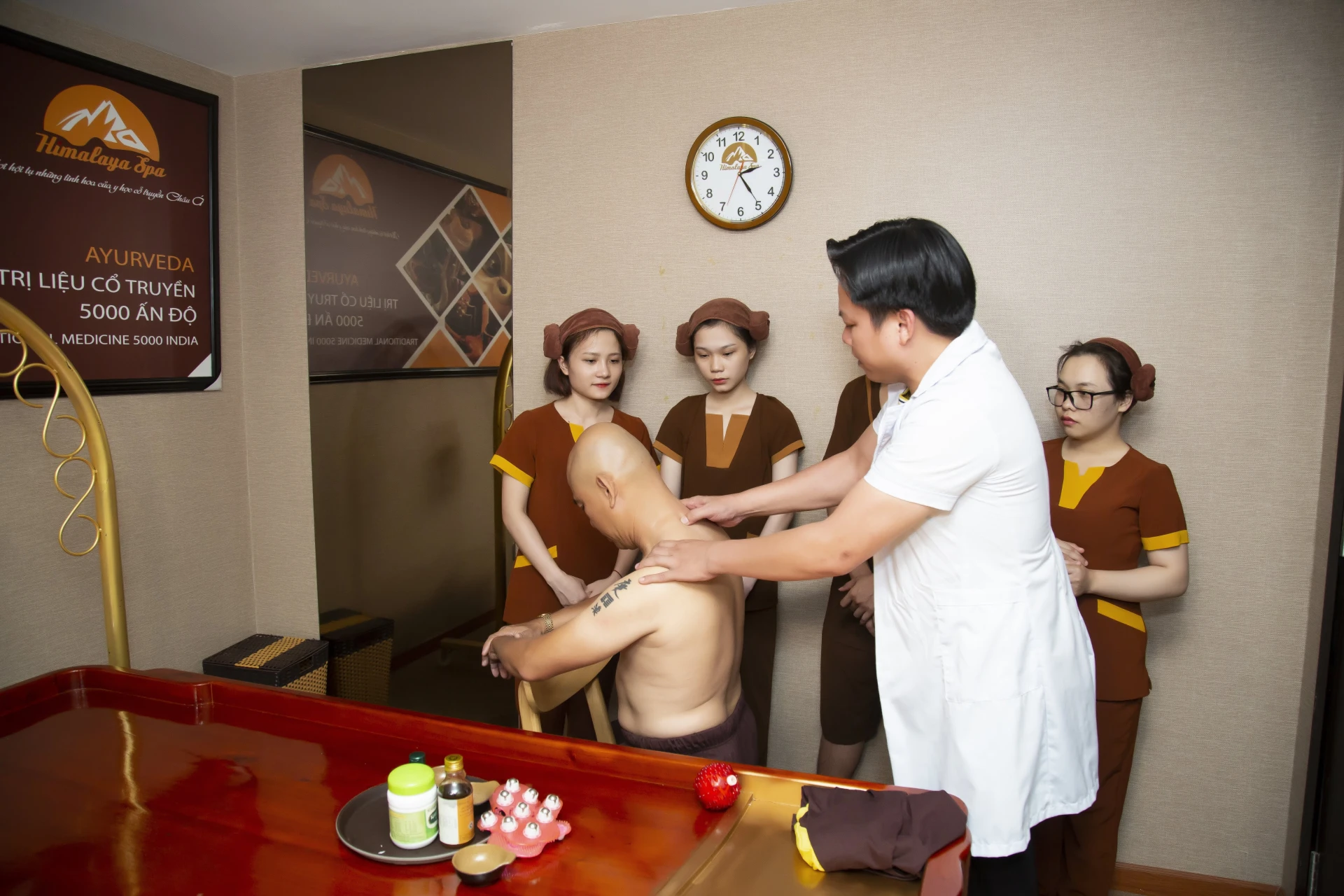
If a spa visit fits your plans, explain your preferences, available time and boundaries during consultation. Explore Himalaya services and ask the team about current options before deciding. You do not need to commit to a long session or a package on your first visit.
This content is for general reference only and does not replace medical diagnosis or treatment.
 01
01
 02
02
 03
03
