Screen Breaks: Build Reminders You Can Actually Keep
Make eye-break reminders easier to follow by linking them to your workday, rather than adding another notification you ignore.
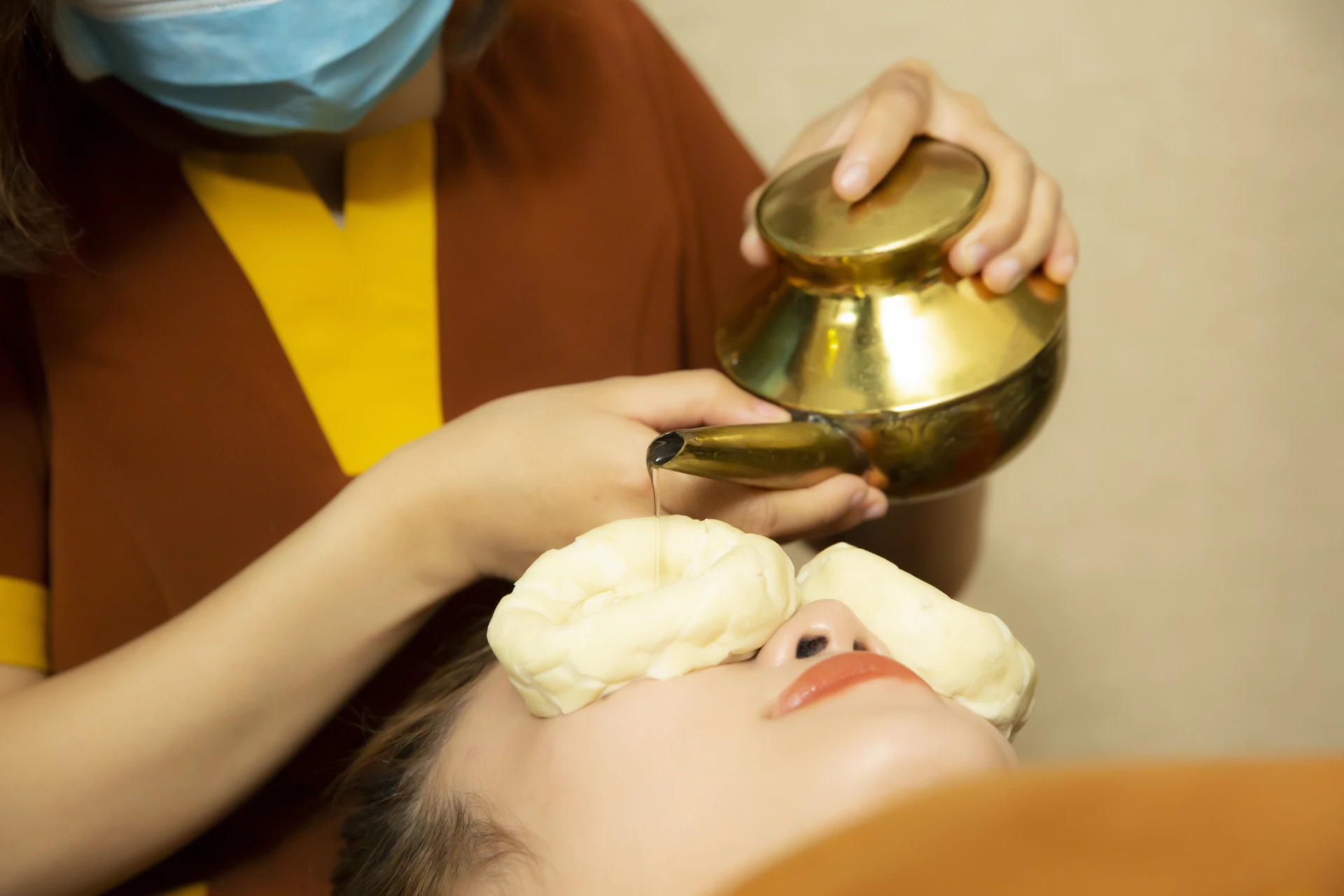
Make eye-break reminders easier to follow by linking them to your workday, rather than adding another notification you ignore.
What to consider first
Break reminders are more useful when they fit a task boundary. A finished call or a submitted document can be a cue to look away. The 20–20–20 suggestion means looking roughly 20 feet away for 20 seconds after about 20 minutes of close work; it is a break habit, not a treatment for eye disease.
Practical steps
- Pick a distant, screen-free spot in the room.
- Use a gentle reminder and let yourself blink normally and change position.
- If you miss a break, resume at the next opportunity rather than trying to catch up.
One action to take today
Try one reminder during the morning and note whether you follow it. Change the cue before adding more alerts if it does not fit your workflow.
Boundaries and safety
A spa ritual is not an eye examination. Eye pain, marked redness, new blurred vision or loss of vision need medical assessment. Never put spa oils or cosmetic products into your eyes.
Talk with Himalaya
If a spa visit fits your plans, explain your preferences, available time and boundaries during consultation. Explore Himalaya services and ask the team about current options before deciding. You do not need to commit to a long session or a package on your first visit.
Further reading: American Academy of Ophthalmology.
This content is for general reference only and does not replace medical diagnosis or treatment.
 01
01
 02
02
 03
03
